
When Do You Need to Replace Your Entire Plumbing System?
When Do You Need to Replace Your Entire Plumbing System?
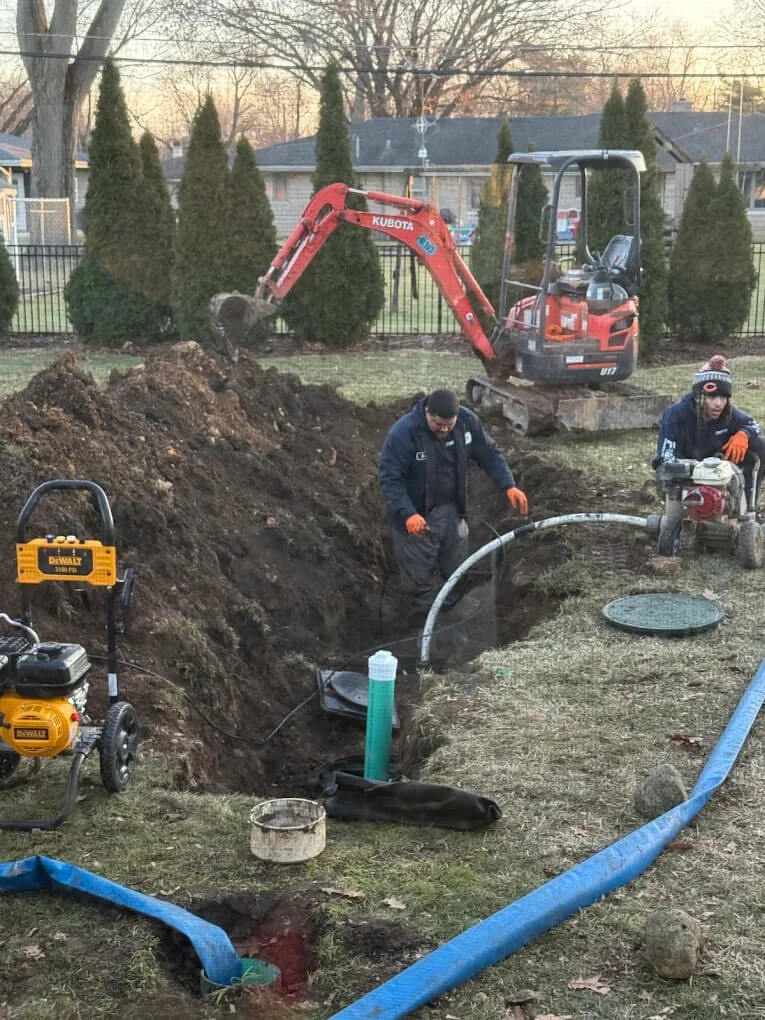
Most plumbing trouble starts small. A drip under the sink. A musty smell near a wall. A shower that never feels strong anymore. After a few repairs, a bigger question shows up. Do you keep fixing pipes, or do you plan a plumbing system replacement?
This matters since plumbing hides behind walls and under floors. A slow leak can rot wood, grow mold, and wreck finishes. Bad pipes can also change your water quality. This article explains the clear signs that point to a full replacement, what to check first, and how to avoid spending money in the wrong place. FreeFlow Environmental sees these problems across Northwest Indiana every week, and the pattern stays the same.
Start With the Age of the Home and the Pipe Type
Pipe age gives you a strong clue. Homes built before the 1970s often carry older metal lines. Some homes from the late 1970s through the 1990s used plastic types that did not age well.
Galvanized steel is a common troublemaker. It rusts from the inside. Water flow drops over time. Tiny flakes break loose and clog fixtures. Leaks follow.
Polybutylene also causes problems. Many systems failed early. Some insurance companies flag it during a sale.
Copper can last a long time, yet it still fails in spots. Hard water, poor install work, and strain on joints can cause pinhole leaks.
PEX holds up well in many homes. You still need to look at fittings, supports, and install quality.
A full plumbing system replacement becomes more likely once pipe material has a known failure history, and the house shows symptoms.
Repeat Leaks in Different Spots Mean System Trouble
One leak does not prove anything. A joint can loosen. A nail can nick a pipe. Repairs make sense.
Leaks in several places tell a different story. You patch one pipe, then another line starts dripping. You fix a valve, then a ceiling stain shows up. That is not bad luck. That is a system aging out.
What counts as “repeat” in a real home? Watch for this: two or more leaks in a year, or leaks in more than one area of the house. That pattern often leads to the same result. Homeowners spend money on repairs for years, then still end up needing to replace plumbing system components across the house.
A plumbing system replacement reduces the cycle of opening walls, repairing drywall, then repeating it again.
Water Color and Taste Give You Honest Clues
Clear water should look clear. A yellow tint, brown tint, or rusty streak can come from corroded lines. A metallic taste also points to aging metal piping.
Do you see rust color only at one faucet? That can be a local issue. Do you see it at many faucets, and it lasts longer than a quick flush? That points to the supply lines.
Ask one direct question: Is the discoloration coming from inside the home’s pipes? Yes, and a camera inspection or pipe sample can confirm it fast.
FreeFlow Environmental uses video camera inspections on sewer and drainage lines, and the same idea applies inside a home. You do not guess. You look, then you decide.
Low Water Pressure Across the House
Low pressure in one sink often comes from a clogged aerator. That is simple.
Low pressure at many fixtures points to a bigger issue. Old galvanized lines narrow over time. Mineral buildup can choke the inner pipe wall. You lose flow in showers, tubs, and laundry.
Some homeowners live with it for years. Then a leak hits, or a valve breaks, and they finally face the bigger decision. A plumbing system replacement restores flow and stops the slow decline.
A plumber can test pressure at several points and compare results. If the lines restrict flow throughout the home, patch fixes do not change the main problem.
Strange Noises, Slow Drains, and “New” Smells
Pipes should not bang, rattle, or knock every day. Some noise comes from loose straps or high pressure. Constant noise can also come from worn piping and stressed joints.
Slow drains also matter, yet they do not always point to supply lines. They can point to drain piping, sewer lines, or buildup in the main.
If slow drains pair with backups, gurgling, or sewer odor, take it seriously. That can point to failing drain lines or a damaged sewer lateral. In Valparaiso and across Northwest Indiana, FreeFlow Environmental sees this often. They start with inspection, then they look for a real fix that avoids needless digging.
A plumbing system replacement can involve more than supply lines. Some homes need a drain and sewer upgrade at the same time. The right path depends on what the inspection shows.
Past Water Damage Changes the Risk
A big leak can push a home into replacement territory. Burst pipes, slab leaks, or ceiling collapses do more than damage drywall. They also signal stress in other sections of the system.
After a major event, many homeowners repair the one failed area. Then they wait. Another leak shows up later. The risk goes up when the system is old and the failure happened without warning.
One genuine question: Does one bad leak mean you must replace plumbing system lines everywhere? No. It means you need a full check of the system, not a quick patch.
A thorough inspection maps risk. It also helps you plan replacement in stages if you need that option.
Repairs That Cost More Than a Replacement Plan
Money drives this decision. A plumbing system replacement feels expensive, and it is. Yet repairs add up fast.
Think about the full cost of “repair mode.” You pay for the plumber visit. You pay for drywall. You pay for paint. You lose time. You stress every time you hear a drip.
If you have spent thousands over a few years, step back and do the math. Ask for a full replacement quote. Compare it to your recent repair history. For many homes, a planned replacement costs less than years of emergency fixes.
FreeFlow Environmental takes this same stance with septic and sewer work. They challenge the default “replace everything” mindset, and they also call out the opposite mistake. Some systems reach the end. At that point, repair money becomes waste.
Home Sales, Remodels, and Insurance Pressure
Plumbing shows up during a sale. Inspectors look for old piping, active leaks, and water stains. Buyers ask for credits. Some lenders and insurance companies refuse certain pipe materials.
A remodel also opens doors. If you are already opening walls for a kitchen or bath, that is the time to update old lines. The labor is easier, and you avoid tearing out new tile later.
If your home has a history of leaks, a remodel can be the clean break. Replace the old piping once, then close the walls for good.
What a Smart Replacement Decision Looks Like
A plumbing system replacement works best with a plan. You identify what is failing. You replace the right sections. You pick materials that match the home and the budget.
A solid plan usually includes these steps: confirm pipe material, check water pressure, test for leaks, inspect drain lines, review repair history, set a scope.
You also want proof. Real proof beats opinions. FreeFlow Environmental built its name on that idea. Their technicians walk customers through what they see during inspections. You see the problem in real time. You do not take someone’s word for it.
That style matters in plumbing too. Any contractor can say “it’s old.” A good one shows you what is happening and explains the next step in plain words.
Signs That Replacement Is the Right Call
Some signs carry more weight than others. Watch for a cluster, not one issue.
If your home has old galvanized or polybutylene piping, and you also see leaks, rust-colored water, and pressure loss, a plumbing system replacement moves from “maybe” to “time to plan.”
If you keep fixing one section and another fails, the system is telling you the truth.
If you fear the next leak every time you leave for work, that stress has value too. A planned replacement puts you back in control.
Ready to Replace Your Plumbing System? Get a Real Diagnosis First
A plumbing system replacement should never start with panic. It should start with facts. Schedule an inspection that explains what is wrong and where. Ask for clear options and clear pricing.
If you live in Northwest Indiana or nearby Illinois, FreeFlow Environmental can help you sort out the bigger picture. Their team focuses on real fixes, honest answers, and modern inspection tools. They deal with pipes every day, from drain and sewer issues to full system problems, and they keep it practical.
Call FreeFlow Environmental today, and talk through what is happening in your home.