
How a Septic System Works (And What Can Go Wrong)
How a Septic System Works (And What Can Go Wrong)
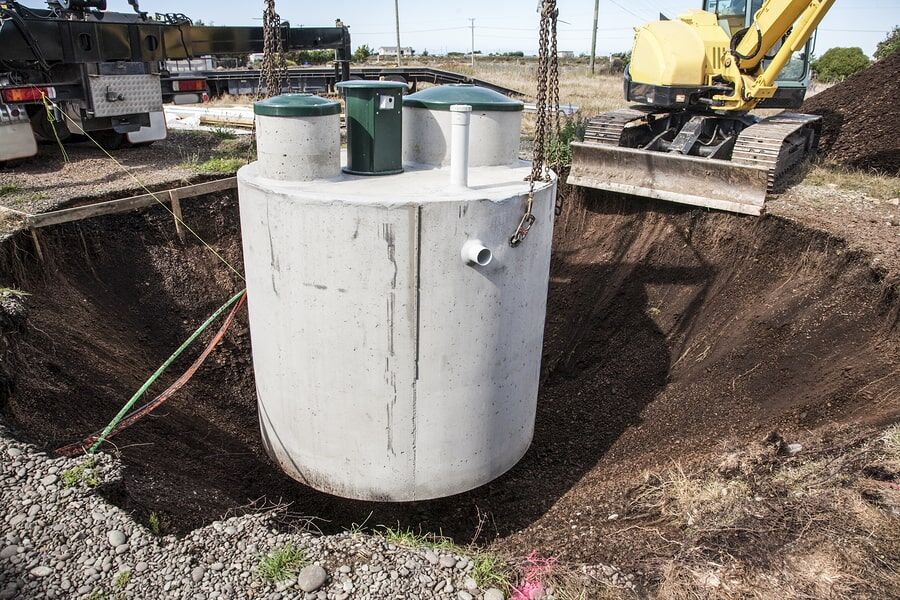
Most people don’t consider their septic system unless an issue appears. Knowing how it works and what can cause it to fail can save you from expensive repairs, stressful emergencies, and a yard full of problems you never saw coming. Being aware gives you control and helps you catch small issues early before they turn into major headaches.
At FreeFlow Environmental, we’ve spent over 30 years helping homeowners across Northwest Indiana and Illinois provide clarity on what’s really happening underground. This article breaks down how a septic system works day to day and explains what can go wrong when the system falls out of balance. By the end, you’ll know how to protect your home, your yard, and your wallet from unnecessary septic issues.
Understanding The Role Of Your Septic System
A septic system is a simple but effective wastewater treatment setup designed to safely manage everything that leaves your home’s drains. When the system is healthy, you never think about it. But when something interrupts the natural flow, problems appear quickly.
Below, we break down the key parts of the system so you can better understand what’s happening beneath your yard.
The Septic Tank’s Main Job
The septic tank catches every bit of dirty water from your house. Instead of mixing together, heavy stuff sinks down low. At the same time, fats and oil rise above. In between, cleaner fluid moves on toward the drainfield. If that balance breaks, problems start spreading through the whole setup.
How Wastewater Moves Through The Drainfield
After exiting the tank, the liquid moves into the drainfield, seeping gradually through dirt layers. Nature cleans the water here by trapping pollutants as it travels down. If the ground gets too wet or packed tight, flow slows and puddles might rise back to the surface.
Why Bacteria Matter Inside The System
Healthy bacteria break down solids inside the septic tank. If that system gets disturbed, sludge accumulates more quickly, possibly spilling into the drainage area. Common cleaning products, toxins, or disposable cloths may damage these helpful organisms, leading to gradual complications people often overlook until bigger problems appear.
What Can Go Wrong Inside A Septic System
Although septic setups look basic, everyday faults may block function, leading to expensive fixes. Small troubles usually appear first. Yet when overlooked, they grow fast into big issues affecting house and outdoor space alike.
Here’s a breakdown of typical failures found in these systems, along with their effects on property and landscaping.
Backups And Slow Drains
Backups happen if wastewater flows too slowly through pipes. These typically arise due to clogs, tree roots entering lines, or an overflowing tank. When drains slow down, it’s generally the earliest hint of underlying issues building up inside the system.
Flooding And Soggy Yards
If the drainfield becomes overwhelmed, or a pipe cracks,wastewater won’t flow out properly. Instead, it may pool on grass or create soft, wet spots. Such problems rarely goes away on their own and usually require professional inspection.
Strong Odors Inside Or Outside The Home
Sewage smells mean parts of the system may not be draining properly. When airflow or flow is blocked, issues like cracked pipes or displaced joints might exist. Although some people think stinky drains are typical, they usually signal developing problems.
Modern Repair Options And Why They Matter
Homeowners often assume septic repairs require tearing up the yard, but modern technology has changed that. Today’s tools allow technicians to fix many issues without major excavation. These advances make it possible to solve problems with precision instead of guesswork or unnecessary digging.
Below, we explain how these methods work and how FreeFlow Environmental uses them to deliver real fixes at a fraction of traditional replacement costs.
Trenchless And No-Dig Repair Techniques
Many repairs can be completed from within the pipe using modern trenchless technology. This protects your yard, reduces costs, and shortens repair time. Only severe structural failures require digging. For most homeowners, these no-dig options mean faster solutions and far less disruption to daily life.
Video Camera Inspections
A video camera lets technicians see exactly what’s happening inside your septic or sewer line. At FreeFlow Environmental, we walk you through the footage in real time so you understand the issue clearly. Homeowners appreciate seeing proof instead of guessing. This level of transparency helps you feel confident that the fix recommended is truly the right one.
Hydro-Jetting And Root Removal
Hydro-jetting uses high-pressure water to clear debris, roots, and buildup safely. This restores proper flow and prevents future blockages. When roots invade the system, removing them early protects the structure of the pipes. It’s one of the most effective ways to give aging lines a fresh start without replacing them.
How To Keep Your Septic System Working Properly
Although certain issues come out of nowhere, plenty of septic troubles can be avoided through smart daily choices along with regular upkeep. Paying small amounts of focus today might protect you from big fixes or high-cost breakdowns down the road. Here are the steps that matter most for keeping your septic system functioning the way it should.
Regular Maintenance And Pumping
Regular pumping removes solids before they overflow into the drainfield. Most households need pumping every 2–4 years. Staying ahead of buildup is one of the easiest ways to protect your system from major failure.
Being Mindful Of What Goes Down The Drain
Items like wipes, grease, chemicals, and oils disrupt the tank’s natural balance. Avoiding these items helps maintain healthy bacteria levels and keeps the system functioning smoothly. Small daily habits make a big difference.
Scheduling Inspections When Something Feels “Off”
If slow drainage occurs, along with smells or strange noises, take note immediately. Catching issues early prevents expensive repairs down the line. Our team at FreeFlow Environmental provides real-time walkthroughs so you see exactly what’s happening inside your system.
Get The Right Fix When Your Septic System Goes Wrong
If slow drains appear,sewage odors, standing water, or sudden backups, don’t wait for it to get worse. Septic system problems like these rarely resolve alone and doing guesswork almost always leads to bigger, more expensive damage.
FreeFlow Environmental is here to diagnose the real cause using state-of-the-art technology and modern repair methods that protect your yard and your wallet. We specialize in delivering real fixes, not unnecessary replacements, and we walk you through every step so you know exactly what’s happening inside your system. When today is the day, it’s time to take action, call (219) 462-0400 for immediate, expert help.