
What To Do If Your Septic System Backs Up In Winter
What To Do If Your Septic System Backs Up In Winter
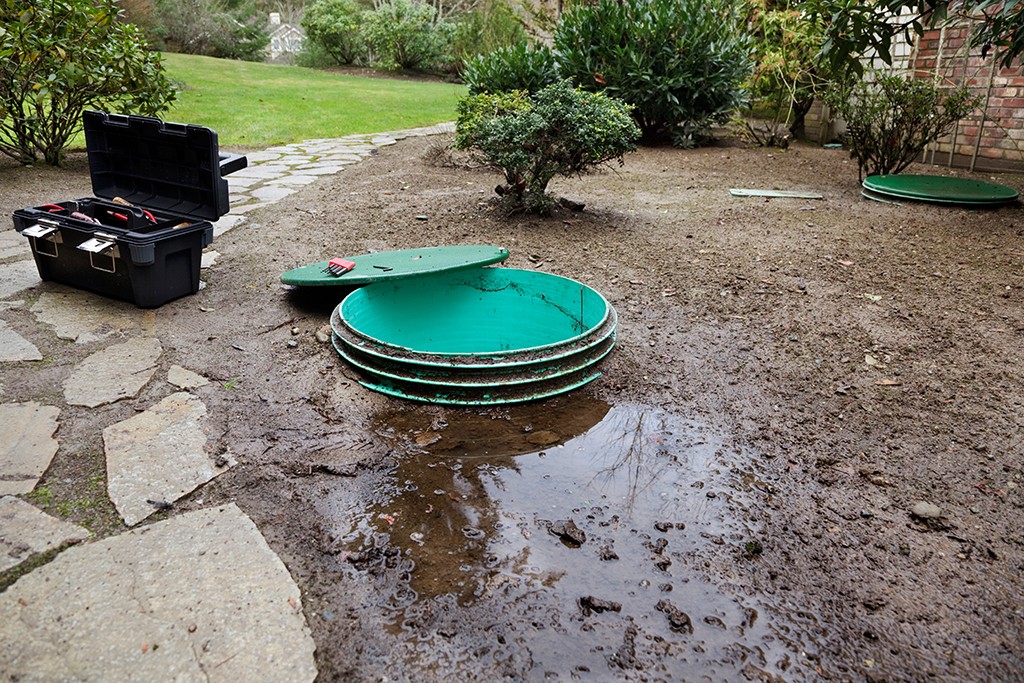
A septic backup in winter hits different. You can’t open windows. You can’t hose anything down outside. And whatever was barely working before suddenly isn’t working at all. Cold weather has a way of turning small septic issues into immediate problems.
We hear it every winter at FreeFlow Environmental. Everything was fine… until it froze. That’s usually the turning point. This article isn’t about panic fixes or quick tricks. It’s about what actually helps when a septic system backs up in winter, what makes it worse, and how to stop a bad situation from snowballing into a full replacement.
Why Septic Backups Are More Common In Winter
Septic systems don’t suddenly fail just because the temperature drops. Winter changes the conditions around them, and weak spots stop getting a free pass. Ground tightens up. Drainage slows down. Systems that were already working a little too hard finally show it. Here’s where winter usually causes trouble. Here’s where winter usually causes trouble and why backups start happening more often.
Frozen Pipes And Restricted Flow
Frozen septic lines don’t always freeze solid right away. Sometimes flow just slows down enough to cause problems. Wastewater starts backing up because it can’t move like it normally does. Running more water rarely helps and often makes the situation worse, especially during long cold stretches.
Drainfield Limitations In Cold Weather
Drainfields rely on the ground cooperating, and winter doesn’t make that easy. Once soil freezes or packs down, it stops soaking up water the way it normally would. Wastewater hangs around longer than it should, looking for somewhere to go. When it can’t move forward, it ends up pushing back toward the house instead.
Increased Indoor Water Use
People don’t really cut back on water just because it’s winter. Laundry still needs done. Showers still run long. Maybe there are more people home, too. All of that water heads straight for a system that already has less room to work.
What To Do Immediately When A Septic Backup Happens
Winter septic trouble won’t vanish on its own, no matter how long you wait. The clock starts ticking the moment something feels off, what follows changes everything. Some choices limit the damage. Others lock it in. Below are the steps that help limit damage and keep a bad backup from turning into a bigger problem.
Stop Using Water Right Away
As soon as water starts coming back where it shouldn’t, using more only makes problems worse. Every flush or rinse adds pressure the system can’t handle. That means everything needs to pause for a bit, inconvenient or not. Letting the system settle can keep a bad backup from spreading further through the house.
Avoid DIY Fixes And Chemicals
This is when people reach for drain cleaners or start pouring anything down the line out of frustration. In winter, that almost never helps. Chemicals can freeze, damage bacteria, or create new blockages you didn’t have before. Guessing usually turns a fixable problem into a harder one.
Protect The Area And Contain Damage
If wastewater has already entered the home, limit where it can spread. Block off the area if possible and protect nearby surfaces. Sewage isn’t just unpleasant, it’s unsafe. Containing it early makes cleanup and repairs easier later.
Why Waiting Out A Winter Backup Usually Backfires
Some homeowners hope a winter septic backup will resolve once temperatures rise. That rarely works. Backups are signs of stress, not temporary inconveniences. Waiting usually allows damage to spread further through the system. Here’s why waiting issues out usually leads to more damage, fewer repair options, and higher costs.
Frozen Problems Don’t Always Thaw Cleanly
A frozen septic system doesn’t always return to normal once it warms slightly. Pipes can crack. Soil can shift. Drainage patterns change. What feels like a temporary freeze often leaves lasting damage behind.
Pressure Builds Inside The System
Every backup adds stress to pipes, joints, and the drainfield. Even small overflows increase internal pressure. Over time, that pressure weakens components that were already struggling. The longer it’s ignored, the fewer repair options remain.
Emergency Repairs Cost More
Emergency septic repairs almost always cost more than planned ones. Winter conditions limit access and increase labor. Acting early often keeps repairs targeted instead of invasive.
How A Professional Inspection Changes The Outcome
The biggest difference between a costly repair and a manageable one is knowing what’s actually wrong. Winter septic backups can look similar on the surface but have very different causes. Inspection removes uncertainty. Below is how a proper inspection changes the outcome and keeps decisions based on facts instead of assumptions.
Video Camera Inspections Show The Real Problem
A camera inspection shows exactly where the issue is occurring. Frozen lines, collapsed sections, buildup, or drainage failure all look different once you’re inside the pipe. At FreeFlow Environmental, homeowners see what we see, live. That clarity keeps decisions grounded in facts.
Diagnosis Prevents Unnecessary Replacement
Without inspection, replacement often gets suggested first. With inspection, restoration is often possible. Modern tools allow targeted repairs that save yards and budgets. Knowing the real cause keeps solutions realistic.
Winter Inspections Are Still Effective
Cold weather doesn’t prevent accurate diagnostics. In many cases, winter stress makes problems easier to identify. Systems reveal their weak points when conditions are toughest.
How To Reduce The Risk Of Another Winter Backup
Once the immediate issue is handled, prevention matters. Winter septic backups tend to repeat if underlying problems aren’t addressed. Small adjustments can make a big difference going forward. Here are the adjustments that actually help reduce winter backup risk going forward.
Manage Water Use More Carefully
Spacing out laundry and limiting heavy water use reduces strain on the system. During winter, the drainfield has less tolerance for overload. Giving it time between cycles helps maintain balance.
Protect Pipes And System Components
Insulating exposed pipes and keeping snow cover over the drainfield helps prevent freezing. Snow acts as insulation. Removing it exposes the system to deeper cold. Protection reduces freeze-related risk.
Schedule Preventive Maintenance
Routine pumping and inspections keep buildup from compounding winter stress. Maintenance costs far less than emergency repairs. Balanced systems handle cold weather better.
Don’t Let A Winter Septic Backup Get Worse Than It Has To
Backups? Frozen lines? Wastewater where it shouldn’t be? When a septic system backs up in winter, guessing usually leads to bigger problems. FreeFlow Environmental helps homeowners get real answers using state-of-the-art technology and precision techniques. With 30 years of experience, we focus on real fixes at a fraction of replacement cost, without tearing up your yard. If today is the day you WILL take action, we’re here to help. Call us for immediate, expert winter septic support.